In this post, I want to explore three images and a range of techniques when photographing a Shock Rock artist for a potential album cover. I want to demonstrate techniques that help to convey a sense of unease and create a sinister atmosphere. Essentially, we want to disturb the viewer!
Filling the frame
According to Allan (2018), filling the frame can have an impact on your images. By frame, we essentially address the following two questions:
- What do we include in the image?
- What do we exclude?
In the image below, I’ve included very little other than the subject’s face. Filling the frame makes a statement: what we choose to focus on and what we choose to disregard tells the viewer what is important to us.
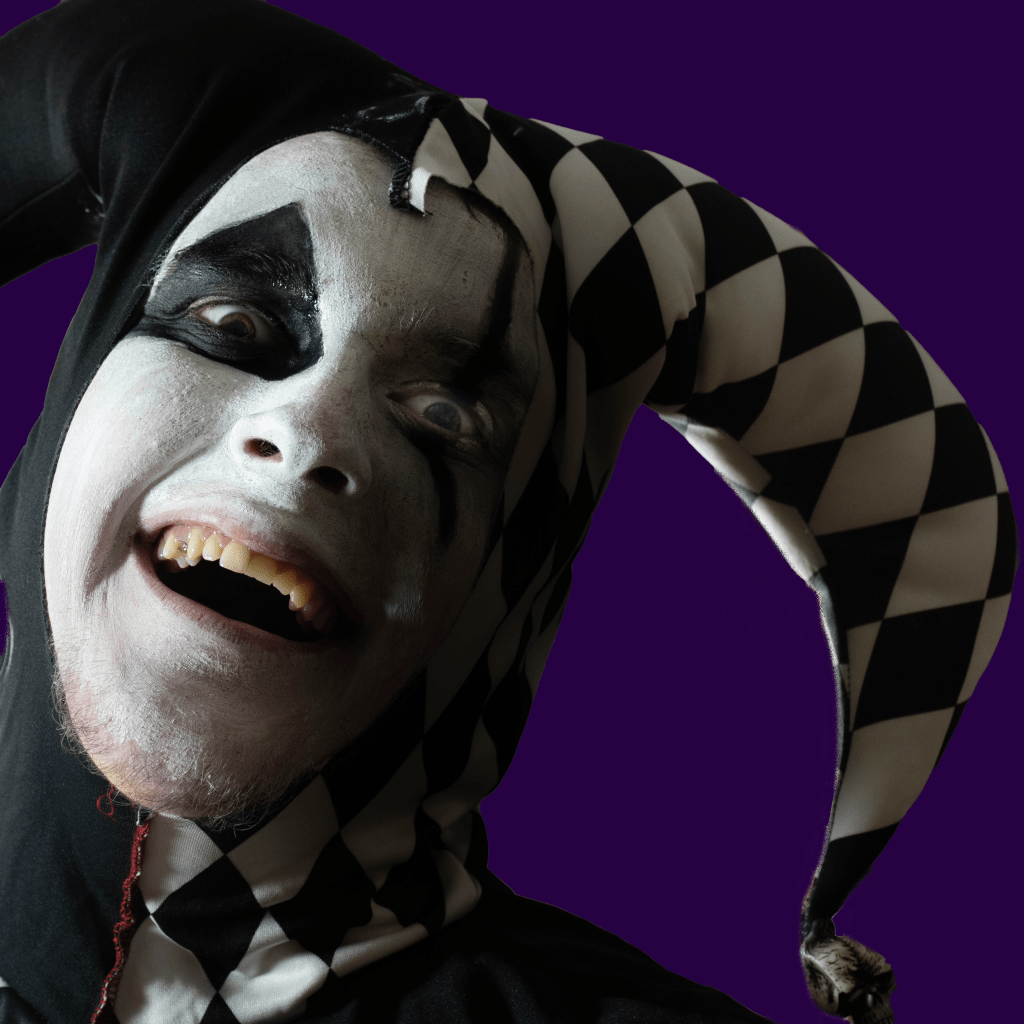
As Carroll observes (2014), “very often, nothing kills an image more than keeping your distance.” It’s only by getting really close and filling the frame with your subject that you force the viewer to focus on exactly what you want them to.
Positive space versus negative space
Sometimes having too much background detail in an image can be distracting and confuse the message you are trying to portray. Depending on what message you are trying to convey, it might work best to have the subject take up very little space and have a lot of empty space around the subject. Allan (2019) defines the space the subject takes up in an image as positive space and the area around the subject as negative space, arguing that the trick is knowing when to balance these two to achieve the desired creative effect.
Whether you decide to tip the scales toward the positive space or the negative space in your image can make a big difference in the impact.
What impact does filling this image with positive space have on the viewer? Firstly, it has the effect of bringing the clown closer to you, so it feels like he is invading your personal space. This certainly adds to the menacing aspect of the image.
Distorted

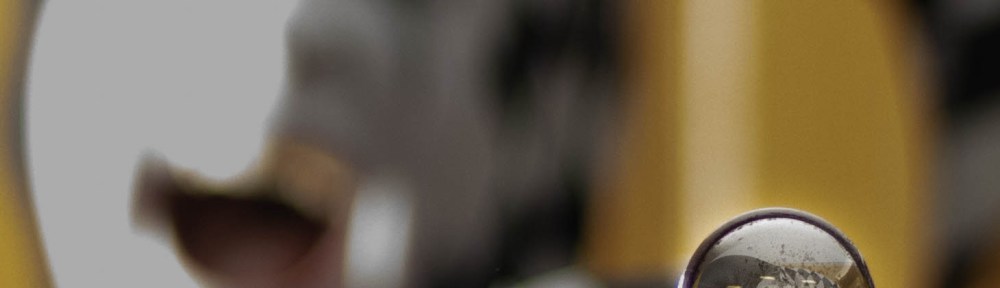
Props often feature in many of the shots with shock-rock artists. These props are varied, but typically involve objects that are either weapons or could be used as such. I’ve taken my inspiration for this shot from the shock rock singer Alice Cooper, who can often be seen parading on stage wielding a cane menacingly at his audience.
For this image, I used a fixed 50mm lens, which allowed me to focus sharply on the end of the cane while distorting the clown wielding it (Aperture 1.8). Not being able to see the clown clearly makes him more sinister, especially as the split lighting created by the softbox is far more pronounced in this image.
Distorted is a good example of getting the fundamentals right before any post-production is carried out. Namely, I have done very little post-production editing because the split lighting, shallow depth of field, and composition create the desired effect in the original.
The only change I have made is to add a layer in Photoshop, specifically to the end of the cane, that creates the mirror image of the clown. In order to make this look as realistic as possible, I had to reduce the opacity of the image within the cane slightly. This ensured that the tarnished veneer of the end of the cane on the original was still visible to a degree. Essentially, this creates a more realistic-looking ‘image within an image.’
Darkness
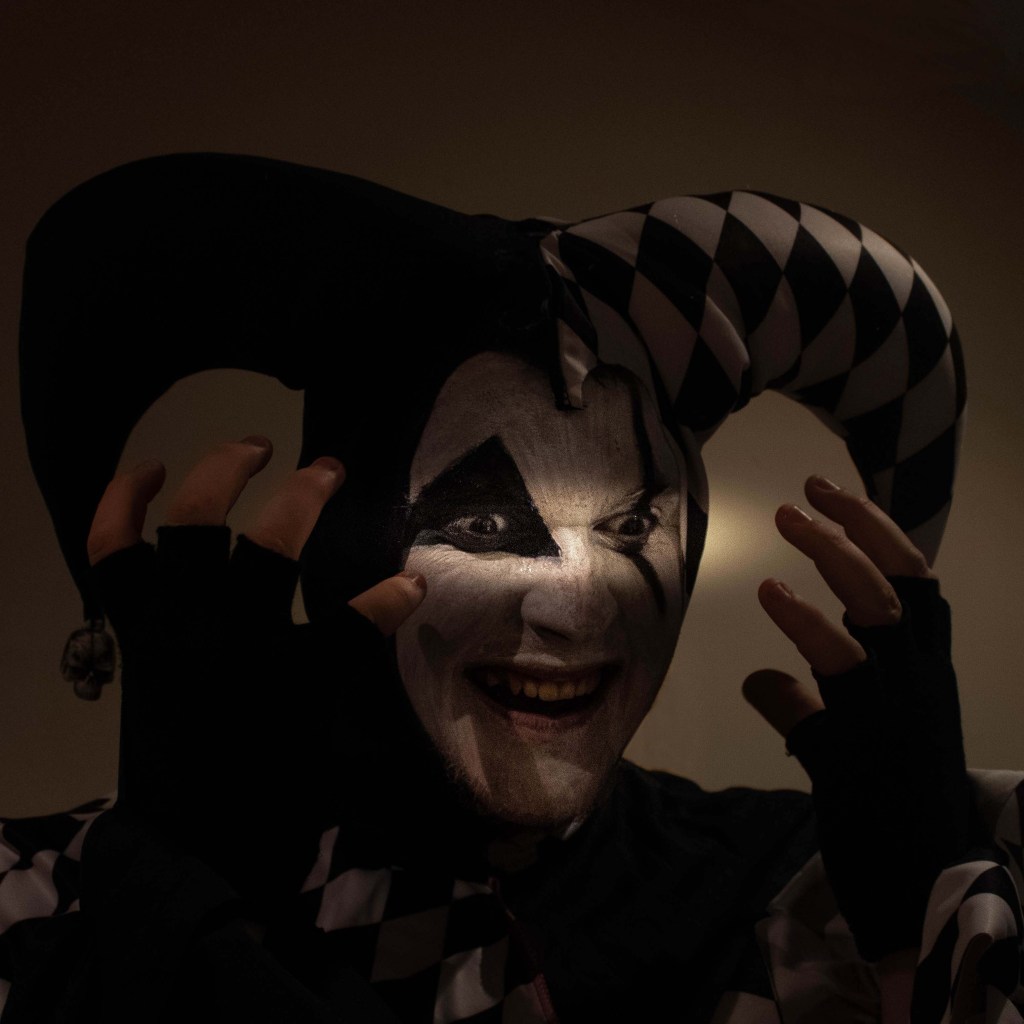
In Darkness, I have purposefully under-exposed the image by three points in Lightroom to shroud the image in darkness.
Intentionally underexposing an image may sound like a sure way to produce bad photographs, but being able to either dial up or down the exposure gives the photographer a degree of creative control over the image (Carroll, 2014). When you compare this image to the one before post-production, the difference is unmistakable. By purposefully underexposing the image, it has created a very sinister effect that fits perfectly.
The selective use of lighting in the image (across the eyes using the radial filter) is creative and makes the image more engaging.
References
Allan, J. (2018). ‘Fill the frame for photos with impact – how, when, why.’ [online]. In The Lens Lounge. Available at: https://thelenslounge.com/fill-the-frame-composition/ [Accessed 4 January 2022].
Carroll, H. (2014). ‘Read this if you want to take great photographs.’ Laurence King publishing.
 Scott's Unfinished Pictures